The world's largest desert is Antarctica
Deserts aren't defined by heat — they are defined by dryness.
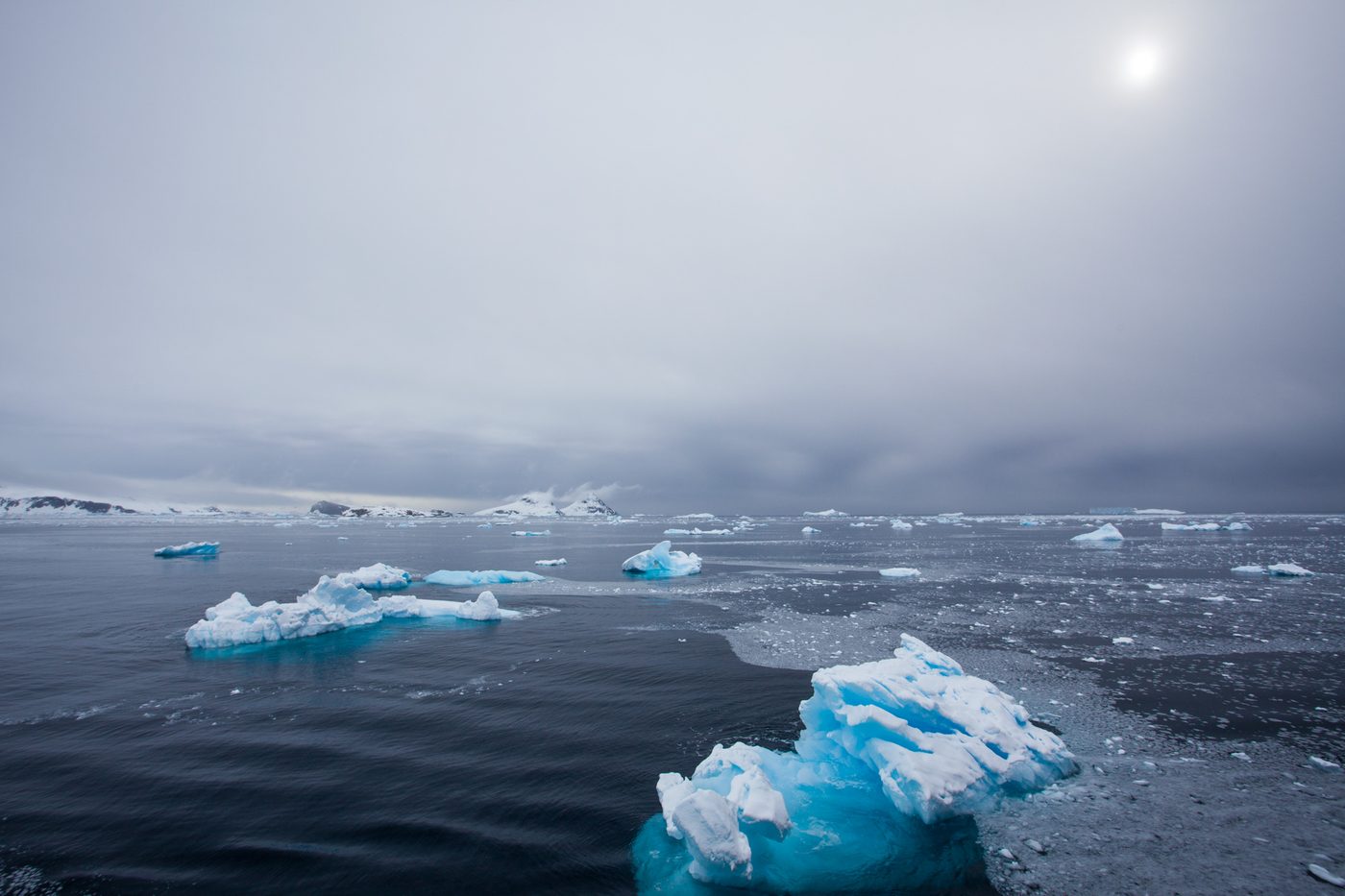
1Everyone pictures the Sahara, but by the scientific definition a desert is any region receiving less than roughly 250 mm of precipitation a year. Most of Antarctica gets far less — parts of the interior under 50 mm — and with an area of about 14.2 million km², Antarctica is the largest desert on Earth (a polar desert). The Sahara, about 9 million km², is only runner-up.
2So where did all the ice come from? From patience: snow falls a little each year, compacts into ice, and has piled up over millions of years into an ice sheet nearly two kilometres thick on average, locking away about seventy per cent of Earth's fresh water. The driest continent holds most of the planet's water.
3Antarctica is also the extreme example of a 'cold desert': in 1983 the Soviet Vostok station recorded −89.2°C, the lowest air temperature ever measured on Earth. One desert bakes at 50°C, the other freezes at −89°C — dryness alone allows that much variety.
A desert = less than about 250 mm of precipitation a year. Antarctica barely gets any — making it the biggest desert of all.